



By Tyler Plack
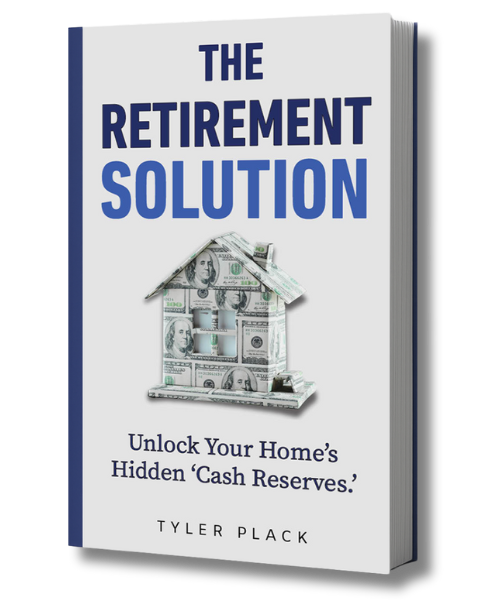
Tyler Plack is the President of South River Mortgage. Tyler holds an active FHA Direct Endorsement (DE) underwriting certification and is the author of The Retirement Solution: Maximizing Your BenefitTyler is a seasoned entrepreneur and real estate investor renowned for his expertise in reverse mortgages and his commitment to addressing seniors' equity challenges. Tyler brings a unique perspective to his ventures, having built several successful companies throughout his career. His insights are frequently sought by industry publications, where he is recognized for his vast knowledge in the realm of reverse mortgages.
An avid investor in income-producing properties, Tyler is dedicated to helping seniors navigate their financial needs with compassion and expertise. When Tyler is not helping solve America's retirement crisis, he is a skilled pilot flying airplanes for fun.

What Veterans Need to Know
If you receive VA benefits — or think you may apply for them down the road — you’ve probably asked yourself some version of this question:
Will a reverse mortgage affect my benefits?
It’s an important one, and it deserves a straight answer.
Many veterans worry that tapping home equity could jeopardize their eligibility for:
- VA pension benefits
- Aid and Attendance benefits
- Other needs-based VA programs
The good news: a reverse mortgage does not automatically disqualify you from VA benefits.
But there are a few rules worth understanding before you move forward.
First, Not All VA Benefits Work the Same Way
This is where most of the confusion begins.
Some VA benefits are needs-based. Others aren’t. That distinction changes everything about how a reverse mortgage interacts with your eligibility.
Generally not income-based:
- VA disability compensation
- Standard VA healthcare benefits
These are typically unaffected by a reverse mortgage.
Needs-based benefits that do involve financial rules:
- VA pension
- Aid and Attendance
That’s the category where planning matters most.
Does a Reverse Mortgage Count as Income?
In general, no.
Reverse mortgage proceeds are considered loan advances, not income — and that distinction is important, because income is usually what drives benefit eligibility.
When you receive funds from a reverse mortgage:
- They generally are not treated as taxable income
- They generally are not counted as earned income
- They typically do not count as monthly income for VA pension purposes
That’s the encouraging part.
But there’s another angle you shouldn’t overlook.

Cash Sitting in the Bank Can Affect Asset Limits
Even though reverse mortgage proceeds aren’t treated as income, unused funds can become countable assets if they simply sit in a checking or savings account.
That can matter for needs-based VA benefits.
Here’s an example: if you take a large lump sum at closing and leave it parked in cash, it could potentially affect asset calculations for programs like the VA pension.
This is one of the main reasons many veterans choose a line of credit rather than taking all their funds upfront. A line of credit lets you draw money only when you actually need it, which can provide flexibility while reducing the risk that idle cash trips an asset threshold.
What About Aid and Attendance?
Aid and Attendance is one of the most valuable benefits available to qualifying veterans and surviving spouses. It can help pay for:
- In-home care
- Assisted living
- Help with daily activities like bathing, dressing, and meals
Many veterans want to know whether a reverse mortgage disqualifies them from this benefit.
Generally, the reverse mortgage itself does not automatically make you ineligible.
But because Aid and Attendance is needs-based, how the proceeds are structured and held still matters. That’s why many families review both strategies side by side before making a decision.
What Is the VA 3-Year Lookback Rule?
This is a big one — and a common source of anxiety.
The VA has a 36-month lookback period for certain asset transfers tied to pension eligibility. The rule was created to prevent people from giving away assets purely to qualify for benefits.
So a fair question comes up often:
Does getting a reverse mortgage trigger the lookback?
Generally, no. Taking out a reverse mortgage isn’t the same as gifting assets — you’re borrowing against equity you already own. That makes it very different from the kinds of transfers the lookback rule is designed to catch.
That said, if reverse mortgage funds are later gifted, transferred to a family member, or repositioned into other assets, separate planning issues can come up.
This is where personalized advice from a VA-accredited advisor can be worth its weight in gold.
Are You Eligible for a Reverse Mortgage?
(Find out in 60 seconds)
Can a Reverse Mortgage Help Veterans?
In many cases, yes.
Some veterans use a reverse mortgage to help cover:
- In-home care costs that benefits don’t fully cover
- Home modifications that support aging in place (ramps, grab bars, walk-in showers)
- Cash flow gaps while waiting for benefits approval
- General retirement income
For veterans with meaningful home equity, that equity can be a quiet but powerful part of a broader financial plan.

Common Misunderstandings
“Any new cash I receive will affect my benefits.” Not always. A reverse mortgage is borrowed funds, not income — and the two are treated very differently under most benefit rules.
“VA benefits and Medicaid rules are basically the same.” They aren’t. The two programs have different eligibility criteria, different asset rules, and different lookback periods. What affects one may not affect the other. Always look at the specific benefit you’re dealing with.
The Bottom Line
A reverse mortgage does not automatically affect your VA benefits.
For many veterans:
- It doesn’t count as income
- It generally doesn’t trigger the VA lookback on its own
- It can support broader retirement and care planning
But if you receive — or plan to apply for — needs-based benefits like VA pension or Aid and Attendance, asset planning matters. Understanding how your proceeds are structured, drawn, and held can make a real difference.
See What You May Qualify For
If you’re a veteran exploring how home equity might fit into your retirement plan, the best next step is simple: look at your numbers.
You can get a personalized estimate in seconds using our free calculator. No pressure. No obligation.
Get your instant reverse mortgage quote today and see what may be possible.

FAQ — Reverse Mortgages and VA Benefits
Does a reverse mortgage count as income for VA benefits? Generally, no. Reverse mortgage proceeds are typically considered loan advances rather than income.
Can a reverse mortgage affect Aid and Attendance? The loan itself usually doesn’t, but large unused cash balances sitting in the bank could affect asset calculations.
Does a reverse mortgage trigger the VA 3-year lookback? Generally, no. Borrowing against your own home is treated very differently from gifting assets.
Can veterans use a reverse mortgage to pay for care? Yes. Many use the funds for in-home care, home modifications, or other retirement needs.
Is a line of credit better than a lump sum for benefit planning? In many cases, yes. A line of credit can help reduce issues tied to countable assets because funds aren’t sitting idle in your bank account.
Should I review this with a VA-accredited advisor? Yes. If you receive — or plan to apply for — needs-based benefits, reviewing your specific situation with a qualified advisor is almost always worth the time.