
By Tyler Plack
Tyler Plack is the Chief Executive Officer of South River Mortgage. He joined the company as a founding employee in 2017 and served as President before becoming CEO in 2026. Tyler holds an active FHA Direct Endorsement (DE) underwriting certification.
Retirement is supposed to be a time when you can enjoy life.
But monthly debt payments can make that difficult.
Maybe you still have a mortgage. You may also have credit card balances, a car loan, or other personal debt.
Each payment takes money out of your retirement budget.
If you have built up a lot of equity in your home, you may wonder:
“Could I use some of that equity to pay off my debt?”
For some homeowners, a reverse mortgage may be an option worth exploring.
In this article9 sections
- Your Home May Hold More Money Than You Realize
- What If You Have Several Monthly Payments?
- What About Credit Card Debt?
- Could Paying Off Debt Give You More Freedom?
- What If You Don't Have a Mortgage?
- Could a Reverse Mortgage Help Make Retirement More Comfortable?
- A Reverse Mortgage Isn't Right for Everyone
- Sometimes More Retirement Money Means Fewer Monthly Payments
- Frequently Asked Questions
Your Home May Hold More Money Than You Realize
Your home may be one of your largest assets.
You may have spent decades paying down your mortgage and building equity. But that equity doesn’t help pay your monthly bills unless you have a way to access it.
A reverse mortgage can allow eligible homeowners age 62 and older to access part of their home equity without selling their home.
The money can generally be used for almost any purpose, including paying off certain debts.
That could make a difference if you’re trying to reduce your monthly expenses in retirement.
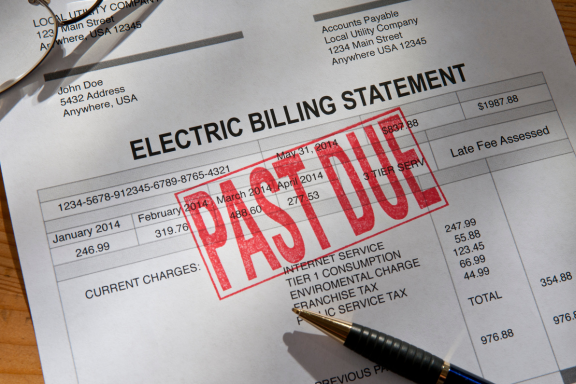
What If You Have Several Monthly Payments?
Imagine your monthly budget looks something like this:
| Monthly debt | Payment |
| Mortgage | $1,200 |
| Credit cards | $400 |
| Car loan | $350 |
| Personal loan | $250 |
| Total | $2,200 |
That’s $2,200 every month going toward debt.
Over a year, that’s $26,400.
For someone living mostly on Social Security and retirement savings, that’s a lot of money.
A reverse mortgage may allow you to pay off an existing mortgage and other eligible debts. If those payments are eliminated, you may have more room in your monthly budget.
That could mean more money for:
- Groceries
- Home repairs
- Healthcare expenses
- Travel
- Family visits
- Emergency expenses
- Everyday retirement spending
What About Credit Card Debt?
Credit card debt can be especially difficult in retirement.
High interest rates can make it hard to pay down the balance. Even if you make the minimum payment every month, the debt may take a long time to disappear.
Using home equity to pay off credit cards may be one option to consider.
But there’s an important difference.
Credit card debt and a reverse mortgage are both debt. You’re not making the debt disappear.
You’re moving it from one type of loan to another.
A reverse mortgage may offer different repayment terms, but the balance still grows over time because interest and other costs are added to the loan.
That’s why it’s important to compare the costs before making a decision.

Could Paying Off Debt Give You More Freedom?
Let’s go back to the example above.
Suppose you are paying $2,200 each month toward your mortgage and other debt.
If those debts could be paid off through a reverse mortgage, you could potentially have much more room in your monthly budget.
You might use that extra cash flow to:
Visit your grandchildren more often.
Take a vacation you’ve been putting off.
Make needed repairs to your home.
Keep more money in your retirement account.
Build an emergency fund.
Or you could simply have more money left over each month.
Sometimes the biggest benefit isn’t getting a large check.
It’s reducing the number of checks you have to write.
Check your eligibility
A few details to help us understand your options.
What If You Don’t Have a Mortgage?
You don’t need to have an existing mortgage to consider a reverse mortgage.
If your home is paid off, you may have significant equity that could potentially be accessed through a reverse mortgage.
For example, you could have a $500,000 home but limited cash savings.
That can create a strange situation:
You’re house-rich but cash-poor.
A reverse mortgage may give you a way to access some of that equity without selling your home.

Could a Reverse Mortgage Help Make Retirement More Comfortable?
Debt can make retirement feel tighter than it needs to be.
You may have enough income to cover your basic expenses, but not enough left over for the things you enjoy.
Reducing monthly debt payments could give you more breathing room.
And that can be especially valuable when you’re living on a fixed income.
Instead of asking:
“How can I make another debt payment?”
You may be able to focus on:
“What do I want to do with my retirement?”
A Reverse Mortgage Isn’t Right for Everyone
It’s important to understand that a reverse mortgage is a loan.
Interest and other costs are added to the balance over time. This means the amount you owe generally increases.
You also remain responsible for property taxes, homeowners’ insurance, home maintenance, and other loan requirements.
A reverse mortgage can also reduce the amount of home equity you leave to your heirs.
That’s why paying off debt with a reverse mortgage isn’t automatically the best choice.
You should compare it with other options and consider your long-term goals.
Look at the Whole Picture
If you’re carrying debt into retirement, don’t just look at the interest rate.
Look at your entire monthly budget.
Ask yourself:
- How much do I pay toward debt each month?
- How much interest am I paying?
- How long will it take to pay off my debt?
- How much home equity do I have?
- Do I want to stay in my home?
- How much money do I need each month to enjoy retirement?
- How important is leaving my home equity to my heirs?
These questions can help you decide whether using home equity to reduce debt is worth considering.
Sometimes More Retirement Money Means Fewer Monthly Payments
You don’t necessarily need to find a way to make more money.
Sometimes, the better solution is to reduce how much money goes out each month.
If you have significant home equity and are carrying mortgage, credit card, or other debt into retirement, a reverse mortgage may be one option to explore.
It won’t be right for everyone.
But it may be worth asking:
“Could the equity I’ve built in my home help me get out from under some of my monthly debt?”
If you’re curious about what that could look like, check your numbers here or talk with our reverse mortgage experts at (888) 249-5651. They can help you understand your options and determine whether a reverse mortgage fits your retirement goals.
Frequently Asked Questions
Can I use a reverse mortgage to pay off credit card debt?
Yes. Reverse mortgage proceeds can generally be used to pay off credit card debt and other debts. However, it’s important to compare the costs and understand that the debt is being moved to the reverse mortgage rather than simply disappearing.
Can a reverse mortgage pay off my existing mortgage?
Yes. If you have an existing mortgage, it generally must be paid off when you get a reverse mortgage. The reverse mortgage proceeds can often be used for this purpose.
Can I pay off a car loan with a reverse mortgage?
Reverse mortgage proceeds can generally be used for many types of debt, including a car loan. Your individual loan and financial situation should be reviewed before making a decision.
Will I have a monthly payment after getting a reverse mortgage?
A HECM reverse mortgage does not require a monthly mortgage payment as long as you meet the loan requirements. However, you remain responsible for property taxes, homeowners insurance, home maintenance, and other required costs.
Does paying off debt with a reverse mortgage mean I have no more debt?
No. A reverse mortgage is still a loan. The balance increases over time as interest and other costs are added.
What happens to my home equity?
Using a reverse mortgage reduces the amount of equity you have in your home. The amount of equity remaining will depend on factors such as your home’s value, how much you borrow, interest rates, and how long the loan remains outstanding.
Is using a reverse mortgage to pay off debt a good idea?
It depends on your situation. It may make sense for some homeowners who want to reduce monthly payments and stay in their homes. For others, another debt repayment option may be better.
The best choice depends on your income, expenses, home equity, debt, and long-term goals.
For a new reverse mortgage, use our reverse mortgage calculator to explore your options.