



Financial Assessment

Reverse Mortgage and Nursing Home Timing Strategy

Tyler Plack

By Tyler Plack

April 29, 2026 I Visit Profile
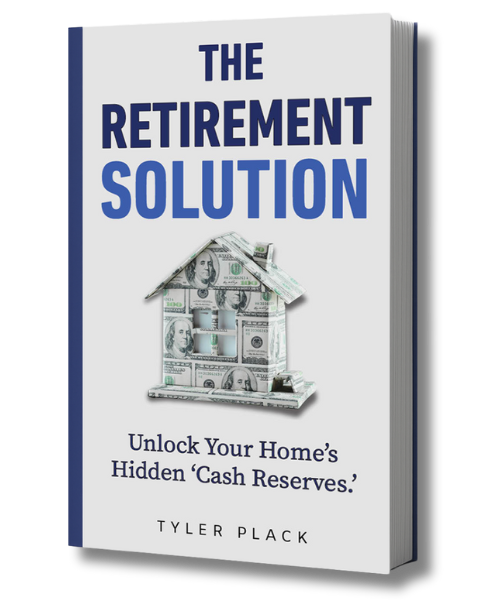
Tyler Plack is the President of South River Mortgage. Tyler holds an active FHA Direct Endorsement (DE) underwriting certification and is the author of The Retirement Solution: Maximizing Your Benefit

Tyler is a seasoned entrepreneur and real estate investor renowned for his expertise in reverse mortgages and his commitment to addressing seniors' equity challenges. Tyler brings a unique perspective to his ventures, having built several successful companies throughout his career. His insights are frequently sought by industry publications, where he is recognized for his vast knowledge in the realm of reverse mortgages.

An avid investor in income-producing properties, Tyler is dedicated to helping seniors navigate their financial needs with compassion and expertise. When Tyler is not helping solve America's retirement crisis, he is a skilled pilot flying airplanes for fun.

Few questions cause more anxiety for families than this one:

What happens to a reverse mortgage if I move into a nursing home?

It’s an intensely real concern — and usually one that comes up at the worst possible moment.

Maybe a stroke or a fall led to a rehab stay. Maybe assisted living is starting to feel necessary rather than optional. Maybe no one in the family knows whether the move is temporary or permanent.

Timing matters here. A lot.

And understanding the rules early — before the clock is already ticking — can help families avoid the rushed, stressful decisions that tend to define these moments.

Learn how nursing home moves can affect a reverse mortgage, key occupancy timing rules, and strategies families should understand early.


The Basic Rule: The Home Must Remain Your Primary Residence

Every reverse mortgage carries one foundational requirement: you must live in the home as your primary residence.

That’s not a minor detail. It’s one of the core rules of the loan.

If you permanently move out, the loan can become due and payable.

But what counts as “permanently”? That’s where the most important rule in this conversation comes in.

The 12-Month Absence Rule

In general, if a borrower is out of the home for more than 12 consecutive months for medical reasons, the reverse mortgage may become due and payable.

This can apply to:

  • Nursing home stays
  • Long-term rehabilitation
  • Assisted living
  • Extended medical care of any kind

A few important clarifications:

  • The loan does not become due the day you leave the house.
  • The rule only applies after 12 consecutive months away.
  • Families still have options even when the rule is triggered.

But it does mean that planning — and planning early — pays off.

Why Timing Strategy Matters

The most common mistake families make is waiting until month eleven to start thinking about their options.

By that point, choices feel rushed, emotions are high, and the calendar is working against you. Starting the conversation earlier creates flexibility that simply isn’t available later.

Many families begin weighing their options as soon as it becomes clear a care stay may extend beyond a short recovery. That might include deciding whether to:

  • Return home (and how realistic that actually is)
  • Keep the property as-is
  • Sell the property
  • Refinance later if heirs want to keep the home in the family

The earlier those conversations happen, the calmer they tend to go.

Learn how nursing home moves can affect a reverse mortgage, key occupancy timing rules, and strategies families should understand early.

What About a Temporary Rehab Stay?

Short rehab stays typically do not cause the loan to become due.

If the absence is temporary and the borrower genuinely intends to return home, that’s a very different situation from a permanent move.

Intent matters. Documentation can matter too.

This is one reason families should stay in regular communication with the loan servicer rather than going silent during a health crisis. A quick phone call or a completed form can prevent a lot of downstream confusion.

Can You Sell the Home During a Rehab or Nursing Home Stay?

Yes — and in some cases, this is the cleanest option available.

Rather than wait for the 12-month clock to run out and the loan to be called due, some families choose to sell the home on their own timeline during an extended care stay.

When the home is sold:

  • The reverse mortgage is paid off from the sale proceeds
  • Any remaining equity belongs to the homeowner or their estate
  • The sale happens on the family’s timeline rather than under pressure

For families who’ve already concluded that returning home isn’t realistic, this proactive approach can significantly reduce stress and preserve more control.

Are You Eligible for a Reverse Mortgage?

(Find out in 60 seconds)

1 / 8
Are you or your spouse aged 55 or older?

What Are Occupancy Certifications?

Reverse mortgage borrowers periodically receive occupancy certifications from their loan servicer. These are forms used to confirm that the home is still the borrower’s primary residence.

They matter more than people realize.

Ignoring them — even unintentionally — can create problems. And if a borrower is temporarily away from the home but intends to return, responding accurately and promptly is essential.

Families sometimes overlook these notices during a health crisis, when mail is piling up and no one’s sure who’s handling what. That small oversight can snowball into avoidable complications. If you’re helping a parent or loved one, put “check the mail for servicer notices” somewhere near the top of your list.

What If a Spouse Still Lives in the Home?

This can change the picture significantly.

If an eligible co-borrower remains in the home as a primary resident, the loan may continue normally — the 12-month rule typically applies to whether anyone on the loan is still living there.

In some cases, certain protections may also apply for eligible non-borrowing spouses, even if only one spouse was originally on the loan.

These situations are highly fact-specific, and the details can make a real difference. If this describes your family, it’s worth a careful conversation with the servicer and, ideally, an advisor familiar with reverse mortgages.

Learn how nursing home moves can affect a reverse mortgage, key occupancy timing rules, and strategies families should understand early.

Common Misunderstandings

“Going into rehab triggers foreclosure.” It doesn’t. A temporary rehab stay with intent to return home is generally fine.

“The bank takes the home after twelve months.” That isn’t how it works. The 12-month rule may cause the loan to become due, but that’s not the same as the lender seizing the property. Families still have options.

When the loan does become due, those options typically include:

  • Selling the home
  • Refinancing the balance (often done by heirs who want to keep the home)
  • Working through the timeline with the servicer

The Bottom Line

A nursing home stay does not automatically create a crisis for a reverse mortgage.

But timing matters. If an absence may approach twelve months, it’s wise to start planning early — not in the final weeks.

Understanding occupancy rules, sale options, and realistic timelines helps families make calmer, better decisions in a season when calm is in short supply.

Learn how nursing home moves can affect a reverse mortgage, key occupancy timing rules, and strategies families should understand early.

See What You May Qualify For

If you’re exploring how a reverse mortgage may fit into long-term care planning, the best next step is simple: look at your numbers.

You can get a personalized estimate in seconds using our free calculator. No pressure. No obligation.

Get your instant reverse mortgage quote today and see what may be possible.

FAQ — Reverse Mortgages and Nursing Home Stays

Does a reverse mortgage end when I go into a nursing home? Not automatically. The issue generally arises only if you’re out of the home for more than 12 consecutive months for medical reasons.

Can I go into rehab temporarily without losing the loan? Generally yes, as long as the absence is temporary and you intend to return home.

Can the home be sold during a rehab stay? Yes. Some families choose to sell during an extended care stay and use the proceeds to pay off the reverse mortgage on their own timeline.

What is an occupancy certification? It’s a form the servicer uses to confirm the home is still your primary residence. Respond promptly — ignoring these notices can create avoidable problems.

What if my spouse still lives in the home? That may change how the loan is treated. Co-borrower and non-borrowing spouse protections may apply, depending on the details of the loan.

Should I contact the servicer before the 12-month mark? Yes. Early communication helps avoid surprises and preserves more options.

Are You Eligible for a Reverse Mortgage?

(Find out in 60 seconds)

1 / 8
Are you or your spouse aged 55 or older?

Related Articles

check your

CASH OUT eligibility today

Get Instant Quote

Ready to See Your Numbers?

You've learned about reverse mortgages—now discover exactly how much you may qualify for. Get your personalized estimate in seconds with our free calculator.

Calculate Your Eligibility

Your age determines the principal limit factor (PLF) for your reverse mortgage. Older homeowners typically qualify for higher loan amounts because the loan term is expected to be shorter.

Age must be between 62 and 99.

Your home's current market value is used to calculate how much you may borrow. The higher your home value, the more you may be eligible to receive (up to FHA lending limits).

$
Adjust the slider to your estimated home value.

Any existing mortgage must be paid off with your reverse mortgage proceeds. We need this to calculate your net available funds after paying off your current loan.

$
Enter your remaining mortgage balance if any.

Get Your Full Details

We'll email you a detailed breakdown with personalized recommendations

START HERE: Get cash out with a reverse mortgage Check Eligibility ›