
By Tyler Plack
Tyler Plack is the Chief Executive Officer of South River Mortgage. He joined the company as a founding employee in 2017 and served as President before becoming CEO in 2026. Tyler holds an active FHA Direct Endorsement (DE) underwriting certification.
If you’re a senior homeowner living in a mobile or manufactured home, you might wonder if a reverse mortgage is an option for you. After all, reverse mortgages can unlock valuable cash for retirement, but eligibility requirements for mobile homes are more specific than for traditional homes.
If you’re new to this type of loan, start with our reverse mortgage basics guide for a clear overview before diving into mobile home-specific details.
This guide will break down everything you need to know about reverse mortgages on mobile homes — from qualifications to potential benefits and challenges — so you can make an informed decision with confidence.
In this article14 sections
- What Is a Mobile or Manufactured Home?
- Understanding Mobile vs. Manufactured Homes
- Are Mobile and Manufactured Homes Eligible for Reverse Mortgages?
- Why Reverse Mortgages Appeal to Mobile Home Owners
- Key Eligibility Requirements for Reverse Mortgages on Mobile Homes
- Common Foundation Issues (and How to Fix Them)
- Benefits, Challenges and Considerations of Reverse Mortgages on Mobile Homes
- Example – When a Mobile Home Qualifies
- Steps to Take If You Own a Mobile Home and Want a Reverse Mortgage
- What to Do if Your Home Doesn’t Qualify
- Key Questions to Ask Before You Apply
- Why Work With South River Mortgage?
- Want to Learn More About Reverse Mortgages? Ebook
- FAQ – Reverse Mortgages on Mobile Homes
What Is a Mobile or Manufactured Home?
Before diving into reverse mortgage specifics, it’s helpful to clarify what qualifies as a mobile or manufactured home.
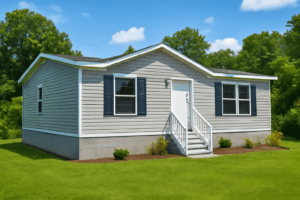
Mobile homes, often built before June 15, 1976, were constructed under older HUD standards. Manufactured homes are those built after this date under the HUD Code, which sets construction and safety standards.
Understanding Mobile vs. Manufactured Homes
Mobile homes were built before June 15, 1976. These homes do not meet today’s HUD safety standards, so they usually do not qualify for a HECM reverse mortgage.
Manufactured homes were built on or after June 15, 1976. They must have a HUD label, be placed on land you own, and sit on a permanent foundation to qualify.
If you are unsure which type you have, we can help you check the year it was built and confirm its status.
Are Mobile and Manufactured Homes Eligible for Reverse Mortgages?
The good news is yes — you can get a reverse mortgage on a manufactured home if it meets certain criteria. However, classic mobile homes built before 1976 typically do not qualify for federally insured Home Equity Conversion Mortgages (HECMs).
Why Reverse Mortgages Appeal to Mobile Home Owners
A reverse mortgage can help mobile home owners stay in their homes longer and enjoy more financial freedom in retirement. It can turn home equity into cash you can use today while letting you stay in the home you love.
Many retirees use the funds for:
- Daily living costs
- Medical bills or home care
- Repairs or improvements
- Paying off other loans
There are no monthly mortgage payments required as long as you follow the loan rules and live in the home as your main residence.
Key Eligibility Requirements for Reverse Mortgages on Mobile Homes
To qualify for a reverse mortgage on a mobile or manufactured home, your property must:
- Be built after June 15, 1976, conforming to HUD’s manufactured housing construction code.
- Be classified as real property — meaning it’s permanently affixed to land that you own.
- Have a foundation that meets FHA guidelines to ensure stability and safety.**
- Be your primary residence where you live most of the year.
Meet all local zoning and building codes
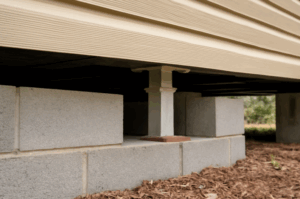
**One of the biggest hurdles for mobile home owners seeking a reverse mortgage is the foundation. The home must be permanently attached to a foundation that complies with FHA guidelines — this typically means a permanent concrete or masonry foundation.
Common Foundation Issues (and How to Fix Them)
Many mobile homes are not placed on a permanent foundation. This is one of the most common reasons homeowners are turned down for a reverse mortgage.
If your home does not currently meet FHA foundation standards, you may still have options:
- A licensed contractor can upgrade the foundation
- An engineer can certify the foundation meets FHA rules
- The home can be permanently attached to the land
These upgrades cost money, but many homeowners find the long-term benefits are worth it.
Benefits, Challenges and Considerations of Reverse Mortgages on Mobile Homes
So, if your mobile or manufactured home qualifies, you can enjoy many of the very same benefits as traditional homeowners like: Access tax-free cash from your home’s equity, no monthly mortgage payments required, flexibility to use funds for healthcare, home improvements, bills, or travel and the ability to stay in your home and age in place.
Thinking about relocating or upgrading your property instead? You might consider a Reverse Mortgage for Purchase as an alternative path to stay mortgage-free in a new home.
But these also come with potential challenges and considerations.
There are some additional factors mobile home owners should keep in mind:
- Many mobile homes do not meet FHA construction or foundation standards — which can disqualify them.
- Mobile homes are often valued lower than traditional homes, which affects loan amounts.
- If the home is on leased land (like a mobile home park), reverse mortgages usually aren’t available.
- It’s critical to work with a reverse mortgage lender who understands mobile home requirements.
Check your eligibility
A few details to help us understand your options.
Example – When a Mobile Home Qualifies
Here’s a simple example:
A homeowner has a manufactured home built in 1995. It is placed on land she owns and has a certified permanent foundation. The home is her primary residence.
This home would likely qualify for a HECM, and she could use the tax-free funds to improve the property, pay bills, or support her retirement.
If the home were built before 1976 or sitting on rented land, it would not qualify.
Steps to Take If You Own a Mobile Home and Want a Reverse Mortgage
- Confirm the year your home was built (post-1976 is required).
- Check if your home is permanently attached to an FHA-approved foundation.
- Verify that the home is your primary residence.
- Contact a trusted reverse mortgage specialist to evaluate your eligibility and loan options.

What to Do if Your Home Doesn’t Qualify
If your home does not meet one or more rules, here are your next steps:
- Check if the home can be placed on a permanent foundation
- Confirm whether the land can be titled with the home
- Ask about other loan types that may help your situation
Even if a HECM is not available today, it may be an option after certain improvements are made.
Key Questions to Ask Before You Apply
To avoid surprises later, ask these questions up front:
- Was my home built after June 15, 1976?
- Do I own the land under my home?
- Is the foundation permanent and FHA-approved?
- Is my home my primary residence?
- Does my home meet local zoning rules?
Knowing the answers now will make the process faster and easier.
Why Work With South River Mortgage?
At South River Mortgage, we specialize in reverse mortgages and know the ins and outs of mobile home financing. We provide personalized guidance to help seniors determine the best solution for their unique situation.
Our experienced team will walk you through requirements, paperwork, and next steps — so you can unlock your home’s equity with confidence.
For a full breakdown of the upsides and risks of reverse mortgages, explore our simple pros and cons guide for seniors.
Reverse mortgages on mobile homes are possible but come with specific requirements that must be met. Understanding those rules is the first step to making an informed decision that benefits your retirement goals.
If you’re considering a reverse mortgage on your mobile or manufactured home, get in touch with South River Mortgage today. We’re here to help you explore your options without pressure, just clear answers.
Ready to learn more? Contact South River Mortgage to schedule a free consultation with a trusted advisor.
📘 Want to Learn More About Reverse Mortgages?
Download our Free Ebook and get a complete, easy-to-understand guide to reverse mortgages — including how they work, who qualifies, and how they can support your retirement goals.
Whether you’re just starting your research or ready to take the next step, this resource is designed to give you clarity and confidence.
No strings attached — just helpful insights from the experts at South River Mortgage.
FAQ – Reverse Mortgages on Mobile Homes
Do older mobile homes qualify for reverse mortgages?
No. Homes built before June 15, 1976 do not meet HUD standards for HECM loans.
Can I get a reverse mortgage if my home is in a park or on leased land?
Usually not. The home must be on land you own.
My home doesn’t have a permanent foundation. Can I still qualify?
Yes, if the foundation is upgraded and certified to FHA rules before closing.
Will the bank take my home when I die?
No. Your heirs can sell the home, keep it, or walk away if the balance is more than the home is worth.
How can I find out if my home qualifies?
A reverse mortgage specialist can check your home’s age, foundation, and title to confirm eligibility.