

By Tyler Plack
Tyler Plack is the Chief Executive Officer of South River Mortgage. He joined the company as a founding employee in 2017 and served as President before becoming CEO in 2026. Tyler holds an active FHA Direct Endorsement (DE) underwriting certification.
For most homeowners getting close to retirement, two questions come up again and again: Will I have enough money each month? and What happens if something unexpected comes up?
Both questions get easier to answer when home equity is part of the plan.
A reverse mortgage — also called a Home Equity Conversion Mortgage, or HECM — lets homeowners 62 and older turn part of their home equity into cash. And you don’t have to take on a new monthly mortgage payment to do it.
The funds can be used for almost anything, which makes this loan one of the most flexible tools in retirement.
So what can a reverse mortgage be used for? More than most people think.
Let’s walk through it.

In this article13 sections
- What Is a Reverse Mortgage and How Does It Work?
- What Are the Reverse Mortgage Requirements?
- What Can Reverse Mortgage Funds Be Used For?
- Supplement Retirement Income
- Make Home Repairs or Aging-in-Place Updates
- Pay Off Credit Card Debt or Personal Loans
- Cover Healthcare and Long-Term Care Costs
- Travel and Lifestyle
- Set Up a Backup Plan for the Future
- Buy a New Home (HECM for Purchase)
- FAQs
- Final Thoughts
- See What You May Qualify For
What Is a Reverse Mortgage and How Does It Work?
A reverse mortgage is a loan for homeowners age 62 and older who have built up equity in their home. The home must be your main residence. You can’t use this loan for a vacation home or a rental property.
The basic idea is simple. With a regular mortgage, you pay the lender each month. A reverse mortgage works the other way around. The lender pulls funds from your equity and pays them out to you. The loan is then paid back later — when you sell the home, when it’s no longer your main residence, or after the last borrower passes away.
A few important things stay the same:
- You still own your home. Your name stays on the title, not the lender’s.
- You’re still responsible for property taxes, homeowners insurance, and home upkeep.
- You can still leave the home to your heirs. They can pay off the loan and keep the home, or sell it and keep any leftover equity.
What changes is the monthly payment. With a HECM, you don’t have a required mortgage payment as long as you live in the home and keep up with the loan rules.
The HECM program is insured by the Federal Housing Administration (FHA) and run by the U.S. Department of Housing and Urban Development (HUD). That gives borrowers some important protections. For example, you and your heirs will never owe more than the home is worth when the loan is paid back.
What Are the Reverse Mortgage Requirements?
Reverse mortgages have their own set of rules. Here are the main ones.
Age. At least one borrower must be 62 or older. For couples, the younger borrower’s age affects how much you can get. Older borrowers qualify for more.
Residency. The home must be your main residence. Vacation homes and rental properties don’t qualify.
Equity. You’ll need to have built up equity in the home. How much depends on your age, current interest rates, and home value.
Property type. The home can be a single-family house, a two-to-four-unit home (where you live in one of the units), a townhouse, an FHA-approved condo, or certain manufactured homes that meet HUD rules.
Financial check. Lenders will check that you can keep up with property taxes, insurance, and home upkeep over time.
Counseling. Every borrower must complete a counseling session with a HUD-approved counselor before moving forward. This is for your protection. It’s not a sales call.
What Can Reverse Mortgage Funds Be Used For?
Here’s the part most people are surprised by:
There are no rules about how reverse mortgage money can be used.
Once the loan closes and any old mortgage is paid off, the rest of the money is yours. You can use it however your situation calls for. Below are the most common ways our customers use the funds.
Supplement Retirement Income
This is the most common use of a HECM, and it’s easy to see why.
A reverse mortgage can help with monthly income in two ways:
- It gets rid of your old mortgage payment if you still have one
- It can give you extra money each month through monthly payments or a line of credit
For retirees whose Social Security and pension don’t quite cover the lifestyle they want, that combination can be the difference between feeling stretched and feeling stable.
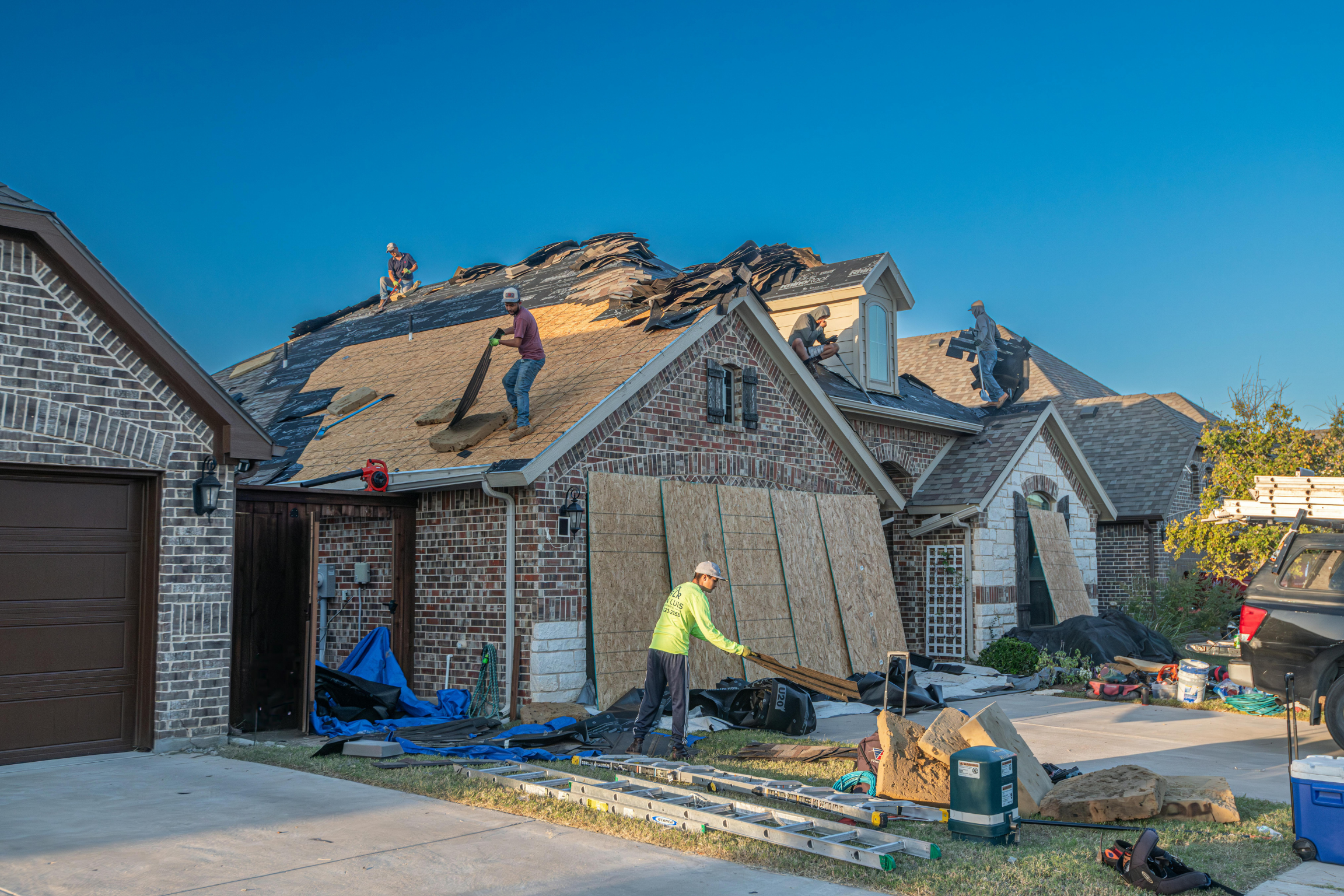
Make Home Repairs or Aging-in-Place Updates
Many of our customers have lived in their homes for decades. Over time, things wear out — roofs, heating and cooling systems, kitchens, bathrooms.
Other homeowners want to make changes so they can age in place: walk-in showers, grab bars, ramps, stair lifts, wider doorways. These updates can keep someone in their home for years longer than they could otherwise.
A reverse mortgage often gives you the larger sum needed for big projects. And it does it without straining your monthly budget.
Pay Off Credit Card Debt or Personal Loans
Carrying high-interest debt into retirement is one of the most stressful things a household can face. Credit card interest doesn’t take a break when your paycheck stops.
Some homeowners use reverse mortgage funds to wipe out high-interest balances and free up monthly cash.
Because the HECM doesn’t require monthly payments, that debt is moved off your monthly budget. It gets paid back later, from the eventual sale of the home, instead of out of your retirement income today.
Check your eligibility
A few details to help us understand your options.
Cover Healthcare and Long-Term Care Costs
Healthcare is one of the biggest unknowns of retirement. Reverse mortgage funds can help with:
- Medical bills
- In-home caregiver costs
- Prescription costs
- Home updates tied to a health issue
- Long-term care insurance premiums
If you have a current bill to handle, a lump sum at closing may make sense. If you’re planning ahead for healthcare costs you might face down the road, a line of credit is often the smarter choice.
Funds stay available for when you need them. And the money you haven’t used in a HECM line of credit actually grows over time.
Travel and Lifestyle
Some retirees use reverse mortgage funds for travel, family visits, hobbies, or other goals they put off during their working years.
This isn’t the most common use. Most borrowers handle the basics first. But it’s a real option. Nothing in the loan rules says the money has to be used only for emergencies.

Set Up a Backup Plan for the Future
Even if you don’t need money right now, a HECM line of credit can be a smart safety net.
Once it’s set up, the line stays available for whenever you might need it — a surprise medical bill, a roof replacement, help during a market downturn. And here’s something most people don’t realize: the unused part of a HECM line of credit grows over time. That means the longer you don’t touch it, the more borrowing power it builds.
For many retirees, that quiet, growing safety net is one of the most valuable parts of the loan.
Buy a New Home (HECM for Purchase)
Most people don’t realize this is even possible. But yes — you can use a reverse mortgage to buy a home. Not just borrow against one you already own. This is called a HECM for Purchase, sometimes shortened to H4P.
Here’s how it works. Instead of paying all cash for a new home, or taking on a regular mortgage with monthly payments late in retirement, you bring a large down payment to closing. It’s usually between 45% and 65% of the price, depending on the younger borrower’s age, current interest rates, and the home’s value. A HECM covers the rest.
The result: you own a new home, with no required monthly mortgage payment. And you keep more of your savings free for everything else retirement requires.
H4P is popular with homeowners who are:
- Downsizing
- Moving closer to children or grandchildren
- Moving to a single-floor home that’s easier to get around
- Buying into a retirement community
FAQs
Can you withdraw money from a reverse mortgage?
Yes. How and when depends on how you choose to receive your funds. Your options are a lump sum, monthly payments, a line of credit, or a mix of those. A line of credit gives you the most flexibility, since you only pull money when you need it.
What is the most common use of a reverse mortgage?
Most reverse mortgage borrowers use the funds to cover everyday expenses, pay off debt, or handle other immediate needs. The bigger goal is usually the same: helping people stay in their current home longer.
Is money from a reverse mortgage taxable?
No. A reverse mortgage is a loan, not income — and loan proceeds aren’t taxed. This is one reason many retirees with savings still set up a HECM line of credit. Pulling funds from a reverse mortgage doesn’t trigger the tax bill that a withdrawal from an IRA or 401(k) would. (As always, talk with a tax professional about your situation.)
What are the restrictions on a reverse mortgage?
There are no rules about how the money can be used. There are ongoing rules to keep the loan in good standing. The home must stay your main residence, and you have to keep up with property taxes, homeowners insurance, HOA fees (if you have them), and basic upkeep.
What is the maximum amount you can get from a reverse mortgage?
For 2026, the FHA limit on a HECM is $1,249,125. That’s the most home value the FHA will use when figuring out how much you can borrow.
The actual amount you can get depends on your age, current interest rates, your home’s value up to the limit, and any existing mortgage that needs to be paid off at closing.
For homes worth more than that, some lenders offer proprietary or “jumbo” reverse mortgages. These can let you tap a lot more equity — sometimes up to several million dollars.
Does a reverse mortgage affect Social Security or Medicare?
Generally, no. Because reverse mortgage funds are loan money rather than income, they usually don’t affect Social Security or Medicare.
Needs-based programs like Medicaid or SSI work differently, though. Large amounts of cash sitting in a bank account can affect those calculations. If you get needs-based benefits, it’s smart to talk with an advisor before structuring your loan.

Final Thoughts
A reverse mortgage isn’t right for every household. But for homeowners 62 and older who have built real equity, it’s one of the most flexible financial tools available in retirement.
Whether you want to:
- Add to your monthly income
- Pay off old debt
- Cover home repairs or aging-in-place updates
- Pay for healthcare or care costs
- Set up a line of credit for the future
- Or buy a new home with a HECM for Purchase
…a reverse mortgage can quietly do work that other retirement tools can’t.
Before moving forward, talk it through with your family. The right decision is one made with the full picture in front of you.
See What You May Qualify For
The fastest way to know if a reverse mortgage makes sense for you is to run the numbers.
You can get a personalized estimate in seconds using our free calculator. No pressure. No obligation.
Get your instant reverse mortgage quote today and see what may be possible.
If you’d rather talk it through with a real person, our team is happy to walk you through your options. Call us at (888) 249-5651.