
By Tyler Plack
Tyler Plack is the Chief Executive Officer of South River Mortgage. He joined the company as a founding employee in 2017 and served as President before becoming CEO in 2026. Tyler holds an active FHA Direct Endorsement (DE) underwriting certification.
Your daughter offers to copy a loan letter at the library nearby. Before you hand it over, decide which pages she really needs today. Reverse mortgage document security starts with sharing less and checking where copies go.
You can ask for help while keeping control of your private papers. This guide walks through copying, sending, and storing an existing loan file.
In this article11 sections
- Why Does Reverse Mortgage Document Security Matter?
- Which Papers Do You Need to Take With You?
- What Should You Check Before Using a Shared Copier?
- How Can You Share Only What a Helper Needs?
- How Do You Check Where a File Will Go?
- What Should You Check Before Attaching a File?
- What Can You Do After Using a Shared Computer?
- How Can a Family Keep Track of Shared Copies?
- What Should Stay in Your Main Loan File?
- Does Reverse Mortgage Document Security Change Your Loan Duties?
- The Bottom Line
Why Does Reverse Mortgage Document Security Matter?
A loan folder can hold more than the amount you owe today. It may include your address, signature, bank details, and other private facts. Read each page before deciding who needs to see the whole thing.
Start by naming the task you need someone to help with today. A helper checking a date may only need one page from you. A verified loan company may need a complete record for its review.
- Keep your full file in a place you can control.
- Make a smaller working set for the task at hand.
- Check the working set again before it leaves your hands.
Good reverse mortgage document security gives each copy a clear purpose. Each copy should have a clear path, so you know who has it and why they need that copy.
Which Papers Do You Need to Take With You?
Put the request beside your folder before you leave home with it. Read what the person or company asked you to bring, and if the request is vague, call and ask which pages would help.
Leave unrelated bank papers and identity records in your home file instead. Avoid carrying the entire closing package to answer one simple account question. Keep the originals apart from copies you plan to leave with someone.
- Check whether both sides of a page contain useful details.
- Look for attachments that belong with the page being requested.
- Count the pages before putting them in a closed folder.
If a needed record is missing, ask for a replacement copy first. Our guide to replacing lost reverse mortgage papers explains where to start that search.
What Should You Check Before Using a Shared Copier?
Ask how the copying process works before placing papers on the machine, and check where printed pages come out and who can reach that tray. Stay beside the machine while it handles your papers and makes copies.
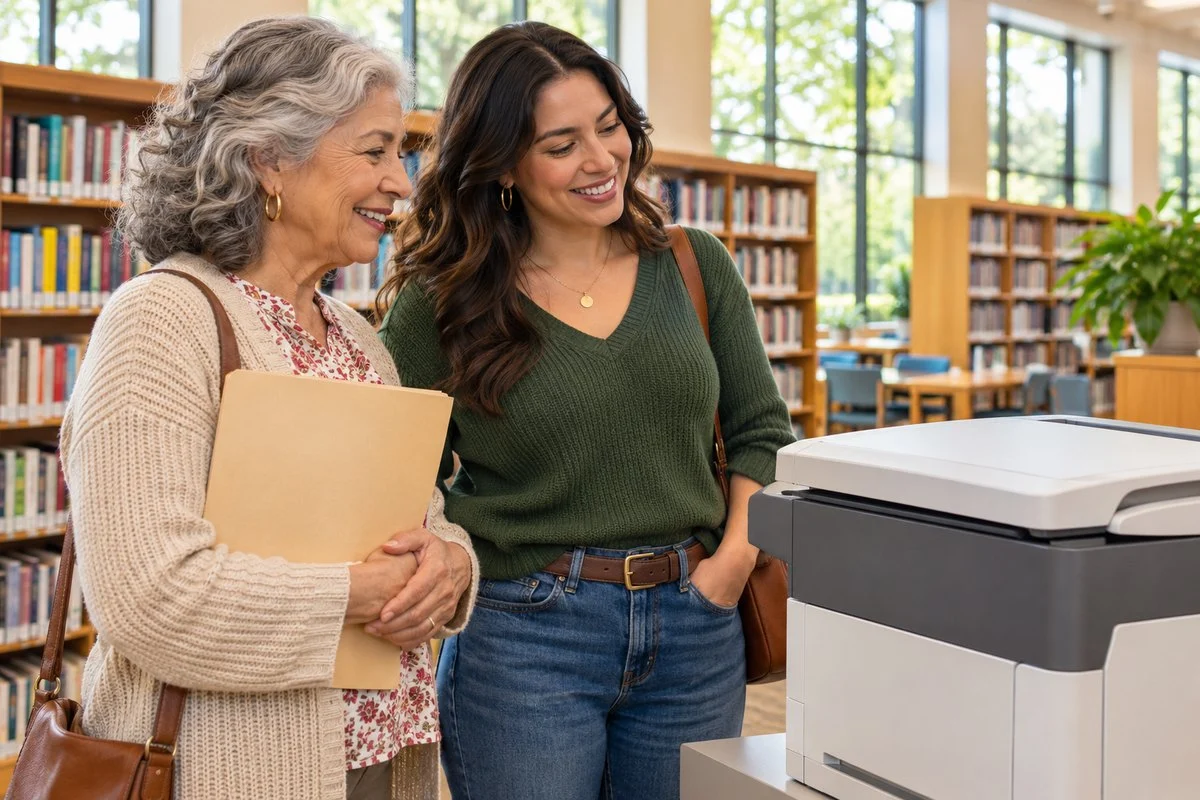
A library worker can explain the controls without reading your loan details. Ask whether the job sends a file anywhere besides the print tray. If you cannot understand the route, use another way to make copies.
- Take the original back from the glass or paper feeder.
- Collect every copy, including pages that printed poorly or twice.
- Check the nearby tray and work surface before you leave.
Count your pages while your folder is open, then check around the machine for sheets left behind.
How Can You Share Only What a Helper Needs?
Tell your helper the question before sharing the papers that go with it. You might ask your daughter to find a date on a letter. That does not mean she needs every statement in your loan file.
For a casual family discussion, consider covering details unrelated to that question. Work from a copy so the original remains complete, and ask a verified company before covering anything on records it has requested.
| Task | A Smaller Starting Point |
|---|---|
| Find a reply date | The letter with the date and request |
| Help with a filing system | Folder labels and a list of records |
| Prepare account questions | The pages tied to those questions |
Let your helper know whether a copy should stay with you afterward. Agree on this before they photograph pages or take papers back home.
How Do You Check Where a File Will Go?
Use contact details from records you already trust to check a request. The company that handles your loan is often called your loan servicer. Ask that company which route it wants you to use for files.
Read the address or website carefully, because a familiar name on a message does not settle where it came from. Pause if the request points somewhere different from the route you confirmed.
- Call through a phone number from your established loan records.
- Ask which records are needed and where to send them.
- Write down the instructions and check them before sending anything.
If you use a website, begin through the company’s verified web address. Our guide to setting up an online loan account covers finding the correct site.
Check your eligibility
A few details to help us understand your options.
What Should You Check Before Attaching a File?
Open the exact file you plan to send before attaching it anywhere. Check every page, because a scan may include an extra sheet from a different household task.
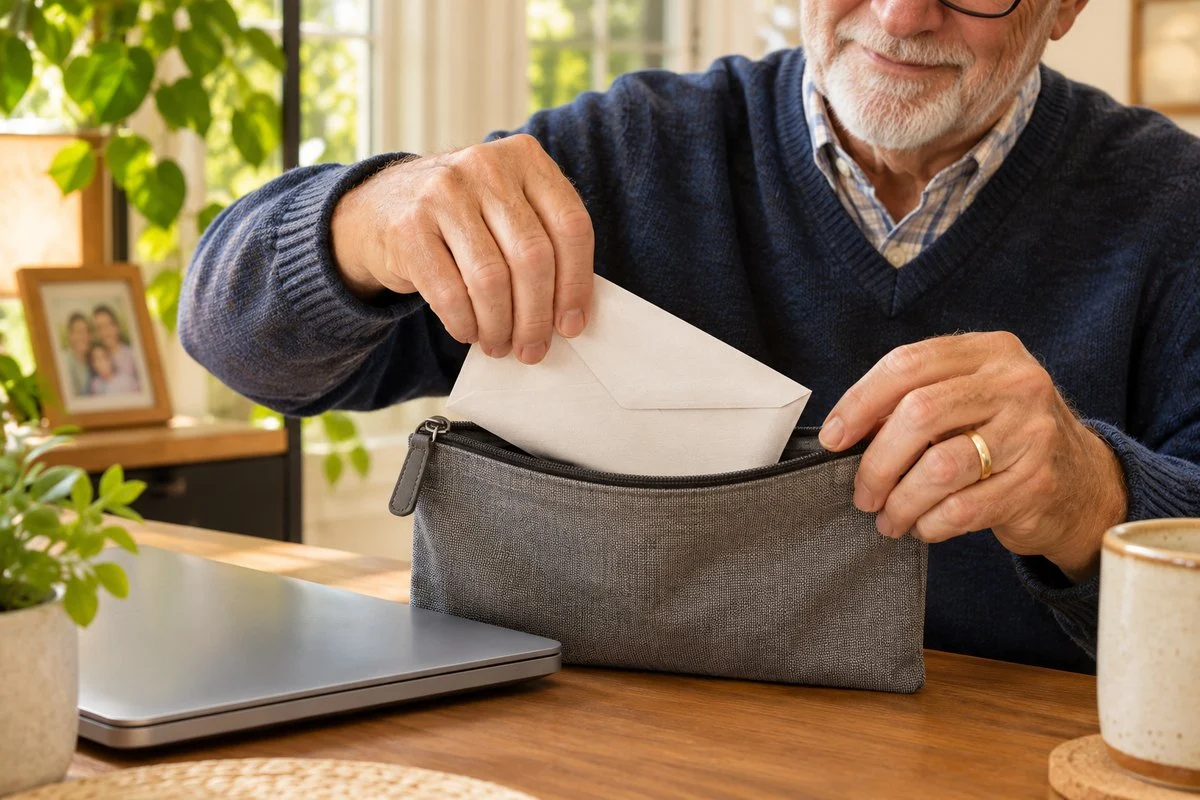
Make sure the pages are clear enough for the recipient to read. Check page edges and direction, and keep private numbers out of file names and the message subject line.
- Confirm that this is the copy you meant to share.
- Check the recipient again before choosing the send or upload button.
- Save any confirmation with your own record of the request.
If the upload fails, ask support what happened before sending repeated copies. Describe the problem without posting your private file in a public help forum.
What Can You Do After Using a Shared Computer?
Before printing on a shared computer, ask how downloaded files and print jobs are handled there. If private files cannot be handled comfortably, choose another method for the task.
When you finish, sign out of your account, then close the files and ask staff how to remove your local copies. Do not choose a setting that saves your password on that computer.
- Check the print tray for your papers before walking away.
- Take any storage device you brought with you that day.
- Ask for help if you cannot tell whether you signed out.
These steps do not prove that every copy of a file disappeared. For sensitive records, a device you control gives you more direct oversight.
How Can a Family Keep Track of Shared Copies?
For reverse mortgage document security, use a short sharing note when several people are helping with papers. Record the date, the recipient, the purpose, and the pages you shared. Leave passwords, full account numbers, and bank details out of that note.
Imagine you ask your son to copy a letter before a call. He returns the original and copies in one folder, and you check the pages together before he leaves to do another errand.
- Who has a working copy outside your own loan file?
- Does that person still need the copy for the task?
- Where will you keep the reply when the task is finished?
Keep this note with your records, where a simple list is easier to use than relying on everyone’s memory.
What Should Stay in Your Main Loan File?
Keep complete loan papers apart from the smaller copies used for errands. Put new replies with the request, which makes it easier to follow what happened when a question comes back.

Keep the loan papers you need to understand your account and answer questions. Keep the main file in a closed drawer when you finish using it. Choose a place you can find easily without leaving papers on display.
Shred unwanted copies with private details when you no longer need them.
- Keep the full original even when a working copy has covered details.
- Store your file where visitors cannot casually read the contents.
- Check with an attorney about records tied to a legal dispute.
Check that every scanned page is readable, and do not throw away important originals simply because you made a digital copy.
Does Reverse Mortgage Document Security Change Your Loan Duties?
Taking care of papers does not replace taking care of the loan. A Home Equity Conversion Mortgage (HECM) is a common federally insured reverse mortgage. You must pay property taxes, homeowners insurance, and any homeowners association dues.
You must also maintain the home and use it as your main home. The Consumer Financial Protection Bureau’s borrower responsibilities guide explains these duties. Keep real notices and reply dates in view while organizing your records.
The loan generally becomes due after the last borrower dies or sells. Moving out can also make it due, with rules about absence and spouses. Ask your servicer before a move or an extended stay away from home.
- A medical absence beyond twelve straight months can trigger repayment requirements.
- A permanent move can matter sooner than that medical absence rule.
- Ask how another borrower or an eligible spouse affects your situation.
If you are considering a new HECM, required counseling comes before the loan. Use a counselor approved by the United States Department of Housing and Urban Development. The bureau’s guide to questions for a reverse mortgage counselor explains that step.
The Bottom Line
Reverse mortgage document security means choosing what to share and checking the route. Take only the papers needed, collect every copy, and keep your originals safe. A short sharing note helps you follow where your working copies went.
Use the lost-papers guide above if you need to rebuild a missing file.
Explore our reverse mortgage calculator, or call 855-212-9114. No pressure. No obligation.