

By Tyler Plack
Tyler Plack is the President of South River Mortgage. Tyler holds an active FHA Direct Endorsement (DE) underwriting certification and is the author of The Retirement Solution: Maximizing Your BenefitTyler is a seasoned entrepreneur and real estate investor renowned for his expertise in reverse mortgages and his commitment to addressing seniors' equity challenges. Tyler brings a unique perspective to his ventures, having built several successful companies throughout his career. His insights are frequently sought by industry publications, where he is recognized for his vast knowledge in the realm of reverse mortgages.
An avid investor in income-producing properties, Tyler is dedicated to helping seniors navigate their financial needs with compassion and expertise. When Tyler is not helping solve America's retirement crisis, he is a skilled pilot flying airplanes for fun.

Short answer: No. A reverse mortgage does not remove or override your Texas homestead protections.
But Texas is different — and that difference is exactly why people ask this question.
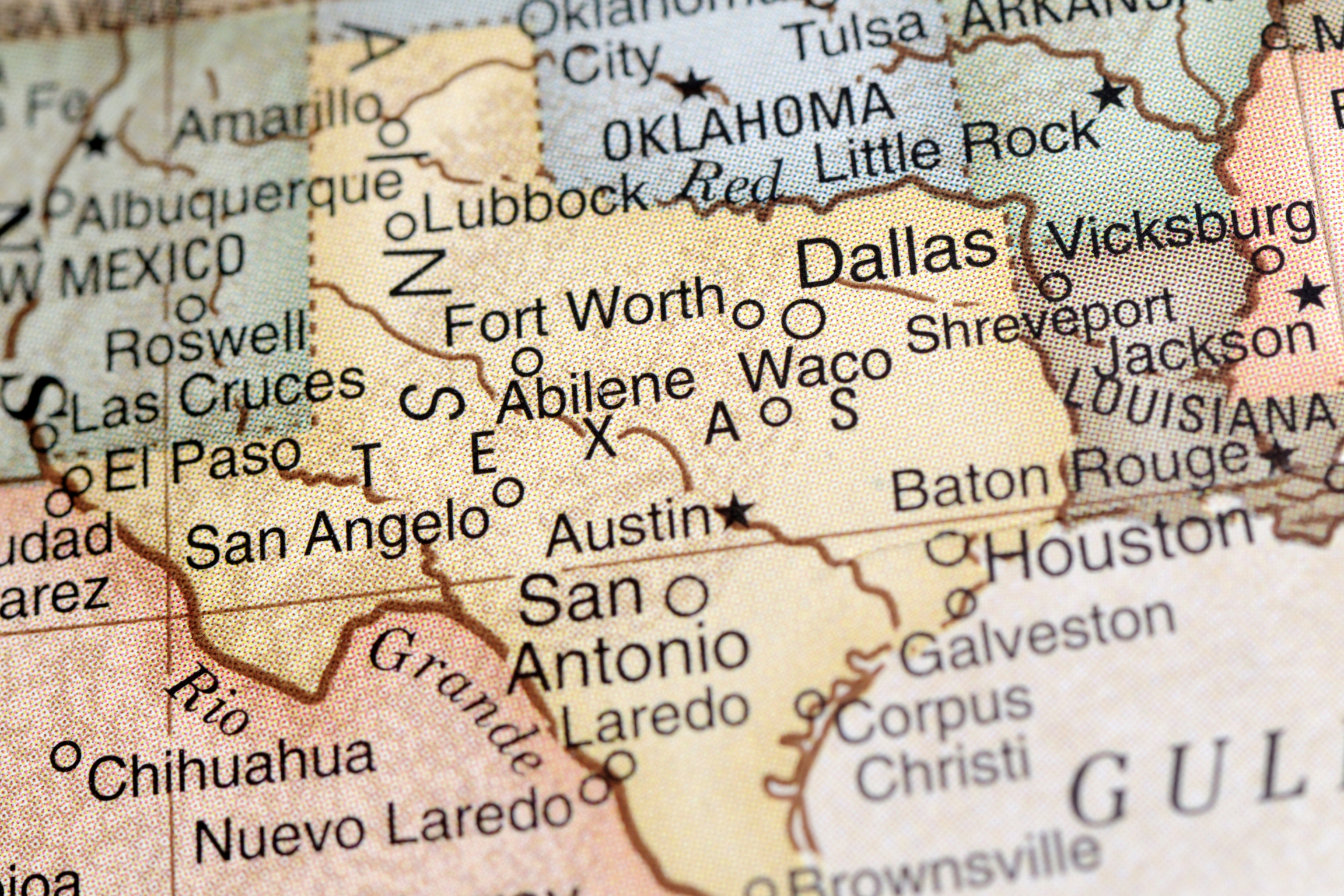
Texas Is Built on Constitutional Protection
Unlike most states, Texas doesn’t rely on statutes alone.
Its homestead protections are written directly into the state constitution, making them some of the strongest in the country.
If your home is your primary residence, you may qualify for:
- A mandatory $100,000 school district exemption
- Additional local exemptions (varies by area)
- A school tax ceiling at age 65
- Strong protection from forced sale by creditors

This system is designed to do one thing: protect homeowners long-term.
Why Reverse Mortgages Are Treated Differently in Texas
Here’s where Texas stands apart.
Reverse mortgages are specifically governed by the Texas Constitution — not just federal rules.
That means:
- The loan cannot exceed 80% of your home’s value
- There is a mandatory waiting period before funds are released
- The loan must be non-recourse
- Repayment cannot be forced while you live in the home
These rules exist to protect your homestead, not weaken it.
Why Your Homestead Exemption Still Stands
A reverse mortgage does not change the two things Texas cares about:
- Ownership
- Primary residency
You stay on the deed. You stay in the home.
The lender simply records a lien — one that is explicitly allowed under Texas law.
That’s why your exemption remains intact.
Your Over-65 Tax Ceiling Is Untouched
For many Texas homeowners, this is the biggest concern.
If you’ve qualified for the over-65 school tax ceiling, a reverse mortgage does not reset it.
Your ceiling stays locked as long as:
- You own the home
- You live in it
Even if property values rise significantly, your school taxes stay capped.
What Actually Puts Your Exemption at Risk
Not the loan — your usage of the home.
You could lose your homestead status if you:
- Move out permanently
- Convert the home to a rental
- Transfer ownership
- Stop using it as your primary residence
If that happens, the exemption ends — and the reverse mortgage becomes due at the same time.
Are You Eligible for a Reverse Mortgage?
(Find out in 60 seconds)
Texas-Specific: Why Lenders Treat This State Differently
Because of constitutional rules, Texas reverse mortgages are:
- More restricted
- More regulated
- Less flexible than other states
That’s why some lenders operate differently here — and why the structure is designed to protect the borrower first.
This is not a loophole system. It’s intentionally conservative.
Does a Reverse Mortgage Increase Property Taxes?
No.
Taxes can still change due to:
- Appraised value increases (capped at 10% annually for homesteads)
- Local tax rate changes
But the loan itself has zero impact.
What Happens When the Homeowner Passes Away
When the last borrower passes:
- The homestead exemption is removed
- The tax ceiling is lifted
- The property is reassessed at market value
At the same time, the reverse mortgage becomes due.
Heirs typically have ~6 months (with extensions) to resolve the loan.
Because the loan is non-recourse, they will never owe more than the home’s value
The Bottom Line
A reverse mortgage in Texas works within the homestead system — not against it.
You keep:
- Your exemptions
- Your tax ceiling
- Your constitutional protections
And you gain access to your equity under some of the strictest borrower safeguards in the country.
See What You Could Access
If you’re a Texas homeowner, your equity may be one of your strongest financial tools.
Get a personalized estimate in about 60 seconds.
FAQ
Will I lose my Texas homestead exemption?
No. As long as you own and live in the home, your exemption remains.
Does it affect my over-65 tax ceiling?
No. Your ceiling stays locked in place.
Are reverse mortgages allowed on Texas homesteads?
Yes — but under strict constitutional rules designed to protect you.
Do I still own my home?
Yes. You retain full ownership. The lender holds a lien.
Why are Texas reverse mortgages more restrictive?
Because they are governed by the state constitution, not just federal guidelines.