





Trusted by homeowners nationwide
Why Choose South River Mortgage
Why Pick a Reverse Mortgage?
 Access equity
- No monthly payments
- Financial security for retirement
 Access equity
Calculate Your Eligibility
Your age determines the principal limit factor (PLF) for your reverse mortgage. Older homeowners typically qualify for higher loan amounts because the loan term is expected to be shorter.
Your home's current market value is used to calculate how much you may borrow. The higher your home value, the more you may be eligible to receive (up to FHA lending limits).
Any existing mortgage must be paid off with your reverse mortgage proceeds. We need this to calculate your net available funds after paying off your current loan.
See How We Help Retired Homeowners Just Like You


It was an absolute pleasure doing business with South River Mortgage. Very helpful, friendly and knowledgeable. They made getting a new mortgage very easy for me. Armand, who was the agent handling my mortgage application, was on top of every issue that came up during the mortgage process. Any calls I made to Armand with questions I had about the mortgage were returned immediately and answers to my questions were always provided within a day. Very professional company. I would highly recommend South River if you are looking for a good, honest, reliable company for your mortgage needs.
Keep Your Retirement Dreams Alive.
We know—the cost of living is out of control. For most of our customers, the quiet retired life they pictured just a few decades ago seems like a dream. But instead of selling your home and giving up on years of memories, what if you could stay put, handle your living expenses, and spend more time doing the things you love?
Ready to Be Home for Life?
Talk to a Pro and get your personalized road map to low-stress retirement with a reverse mortgage.
Get Started NowDiscover More Options for an Easier Retirement






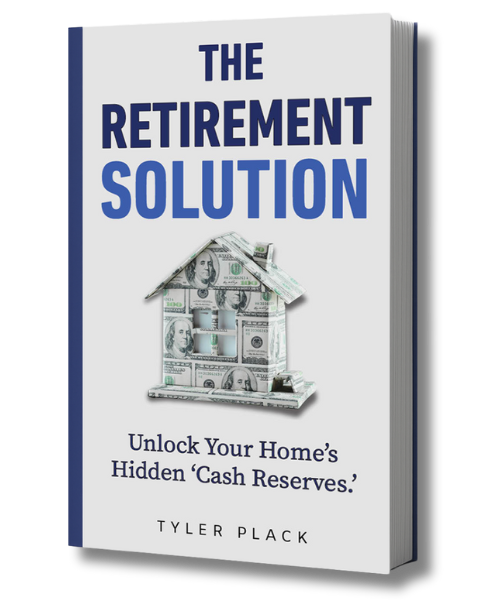
Get Your Retirement Solution
Our average homeowner unlocks $96,000 with a reverse mortgage. Find out how millions of other retirees are "reversing" their financial stress with this free book—The Retirement Solution.
Enter your email address below to get a copy sent to your email instantly:
Frequently Asked Questions
What is a reverse mortgage, and how does it work?

A reverse mortgage is a loan for homeowners aged 55 or older that lets you access your home equity without selling your house. Instead of making monthly payments, repayment is deferred until you sell the home, move out, or pass away.
Who qualifies for a reverse mortgage?
Homeowners aged 55 or older, with sufficient home equity, may qualify. Your property must be your primary residence and meet FHA guidelines.
Do I still own my home with a reverse mortgage?
Yes, you retain ownership. The reverse mortgage is simply a loan secured by your home, allowing you to access its value while living there.
What happens to my reverse mortgage if I sell my home or move out?
The loan becomes due, and the proceeds from the sale are used to pay off the balance. Any remaining equity is yours to keep.
What are the main benefits of a reverse mortgage?
- No monthly mortgage payments.
- Access to tax-free cash from your home equity.
- Flexibility to receive funds as a lump sum, monthly payments, or line of credit.
Why choose South River Mortgage for my reverse mortgage needs?
As the fourth largest reverse mortgage lender in the U.S., we specialize in personalized service, fast closing times (average of 26 days), and a commitment to helping homeowners achieve financial peace of mind.