



By Tyler Plack
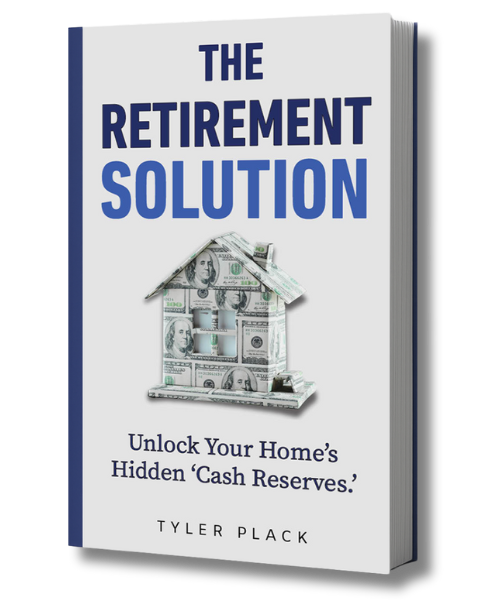
Tyler Plack is the President of South River Mortgage. Tyler holds an active FHA Direct Endorsement (DE) underwriting certification and is the author of The Retirement Solution: Maximizing Your BenefitTyler is a seasoned entrepreneur and real estate investor renowned for his expertise in reverse mortgages and his commitment to addressing seniors' equity challenges. Tyler brings a unique perspective to his ventures, having built several successful companies throughout his career. His insights are frequently sought by industry publications, where he is recognized for his vast knowledge in the realm of reverse mortgages.
An avid investor in income-producing properties, Tyler is dedicated to helping seniors navigate their financial needs with compassion and expertise. When Tyler is not helping solve America's retirement crisis, he is a skilled pilot flying airplanes for fun.
If you’re living in your parent’s home and there’s a reverse mortgage in place, you might feel overwhelmed.
What happens when they pass away? What if the house needs major repairs?
Are you stuck with the debt?
These are real concerns. And you’re not alone in asking them.
Let’s walk through this step by step in plain English.
What Happens to a Reverse Mortgage After Death?
When the last borrower passes away — or permanently moves out of the home — the reverse mortgage becomes due.
That doesn’t mean the bank shows up the next day. But it does mean the loan must be handled.
If you inherit the home, you usually have two main options:
Option 1: Sell the Home
You can sell the property, pay off the reverse mortgage balance, and keep any remaining equity.
If the home sells for more than what’s owed, the extra money goes to the estate or heirs.
If the home sells for less than the loan balance, you are not personally responsible for the difference.
Reverse mortgages are non-recourse loans. That means the lender can only claim the value of the home — not your personal assets.
Option 2: Refinance the Home
If you want to keep the house, you can take out your own loan to pay off the reverse mortgage.
If you plan to live in the home, you may qualify for a standard mortgage.
If you don’t plan to live there, it would likely be considered an investment property loan, which usually has slightly higher interest rates.
Either way, the reverse mortgage must be paid off through a sale or refinance.
What If the Home Is in a Trust?
If the home is held in a trust and you’re the successor trustee, the process is similar.
The reverse mortgage still becomes due when the borrower passes away or permanently moves out. As trustee, you’re responsible for handling the sale or refinance.
This is where a good estate or trust attorney can be extremely helpful. They can guide you through timelines, paperwork, and your responsibilities.
What If the House Needs Major Repairs?
This is where things get stressful.
Maybe the plumbing is failing. Maybe the electrical panel needs replacing. Maybe the city requires wiring upgrades.
And now you’re looking at $15,000 or more in repairs.
Here’s what you need to know.
Can You Get Another Loan on Top of a Reverse Mortgage?
Usually, no.
Most lenders will not offer a second loan behind a reverse mortgage. That makes it hard to borrow money while the reverse mortgage is still in place.
There are a few possible paths:
- Sell the home as-is
- Refinance into your own loan and include renovation funds
- Explore renovation loans (like FHA 203k or similar programs)
- Look into local senior assistance or grant programs
Some contractors offer financing, but you need to read the terms carefully. “Free home improvement” ads often come with repayment plans.
If your parent is still living in the home, it gets even more complicated. The reverse mortgage requires occupancy. If they move out for more than 12 months (for example, into long-term care), the loan becomes due.
Should You Repair It or Sell As-Is?
Before taking on debt for repairs, get two numbers:
- The home’s current value as-is
- The estimated value after repairs
That helps you decide whether repairs make financial sense.
Sometimes it’s better to sell the home in its current condition. Other times, modest repairs can significantly increase the value.
But you don’t want to throw money at a property without understanding the return.
Are You Eligible for a Reverse Mortgage?
(Find out in 60 seconds)
What If You’re Honoring Your Parent’s Wish to Stay?
This is one of the hardest parts.
Many parents want to stay in their home until the end. And as a child, you may feel torn between financial reality and respecting their wishes.
If your parent is still alive and living there, the reverse mortgage stays active as long as they:
- Live in the home as their primary residence
- Pay property taxes
- Maintain homeowners insurance
- Keep the property in reasonable condition
If major repairs threaten safety (like electrical hazards), those need attention regardless of the loan.
You’re not wrong for feeling overwhelmed. This is a heavy situation.
The 6-Month Rule and Occupancy
If both parents are out of the home for 12 consecutive months (such as in assisted living), the loan is typically called due.
After death, heirs are usually given time — often around 6 months, sometimes with extensions — to sell or refinance.
This is not immediate foreclosure. There is a process. Communication with the lender is key.
The Bottom Line
If you inherit a home with a reverse mortgage:
- You are not personally responsible for the debt
- You can sell the home or refinance it
- Major repairs can complicate things
- Second loans behind a reverse mortgage are rare
- A trust does not eliminate the payoff requirement
The most important step is to gather information before making emotional decisions.
Talk to:
- A reverse mortgage specialist
- An estate or trust attorney
- A lender about refinance options
- A real estate agent about as-is value
You deserve clear answers, not confusion.
Frequently Asked Questions
Are heirs stuck with reverse mortgage debt?
No. The loan is secured by the home only. Heirs do not inherit personal liability.
Can I take out a loan for repairs before paying off the reverse mortgage?
Usually no. Most lenders won’t lend behind a reverse mortgage.
What if the home is worth less than the loan balance?
You can sell it for market value, and the lender absorbs the difference.
What if I want to keep the home?
You can refinance into your own mortgage, subject to lender approval.
Does being in a trust change anything?
Not much. The loan still becomes due when the borrower passes or moves out permanently.
Final Thoughts
If you’re in this situation, it can feel like everything is falling on you at once.
Repairs. Legal paperwork. Family emotions. Financial pressure.
Take a breath.
There are options. And you’re not alone in figuring them out.
If you’d like to understand how much equity may be available — whether for your parent now or to evaluate next steps — the easiest first step is to look at the numbers.
You can check your eligibility and see an instant reverse mortgage estimate in seconds using our free calculator.
There’s no pressure and no obligation — just clear information so you can make the best decision for your family.
Get your instant quote today and see what may be possible.